

What is the wind rating of a pop up camping tent?
Hey there, fellow camping enthusiasts! As a supplier of Pop Up Camping Tents, I often get asked about the wind rating of these nifty shelters. It's a crucial question, especially if you're planning to camp in areas with unpredictable weather or high winds. So, let's dive right in and explore what wind rating means for a pop up camping tent.
First things first, what exactly is wind rating? In simple terms, the wind rating of a tent indicates the maximum wind speed the tent is designed to withstand without collapsing or getting damaged. It's like a safety measure that gives you an idea of how well your tent can hold up against the elements. Different tents have different wind ratings, and it's important to choose one that suits your camping needs and the conditions you'll be facing.
Now, let's talk about pop up camping tents. These tents are known for their easy setup and convenience. They're perfect for beginners or anyone who wants to spend less time setting up and more time enjoying the great outdoors. But how do they fare when it comes to wind resistance? Well, it depends on several factors, such as the design, materials, and construction of the tent.
One of the key factors that affect the wind rating of a pop up camping tent is its design. Tents with a low-profile, aerodynamic design are generally more wind-resistant than those with a tall, boxy shape. This is because a low-profile tent creates less wind resistance and is less likely to catch the wind and topple over. Look for tents with a dome-shaped or tunnel-shaped design, as these are typically more stable in windy conditions.
Another important factor is the materials used in the construction of the tent. Tents made from high-quality, durable materials are more likely to have a higher wind rating. Look for tents made from ripstop nylon or polyester, as these materials are strong, lightweight, and resistant to tearing. The tent's poles also play a crucial role in its wind resistance. Aluminum poles are a popular choice as they're lightweight, strong, and flexible. Fiberglass poles are another option, but they're not as strong as aluminum poles and may break more easily in high winds.
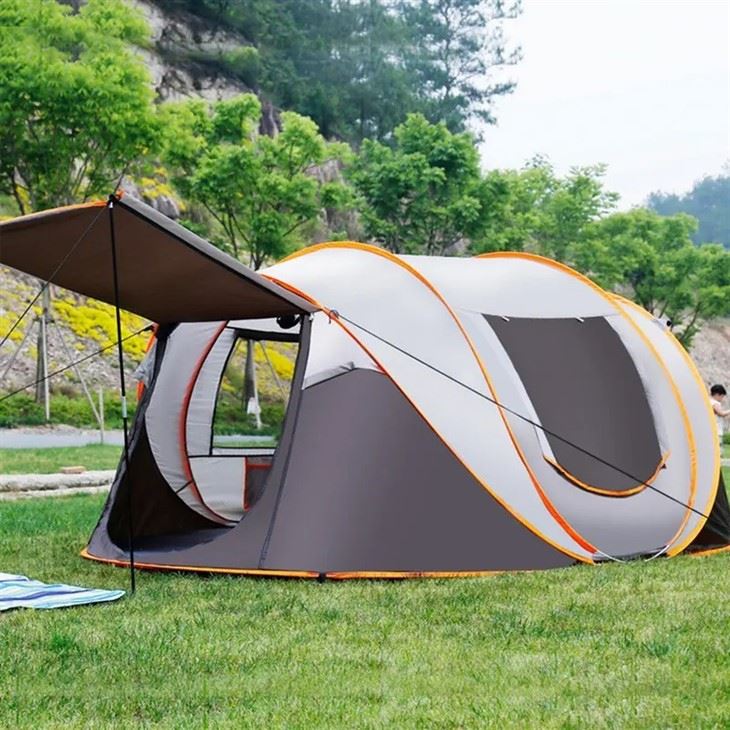

The construction of the tent also matters. Tents with a sturdy frame and strong seams are more likely to hold up in windy conditions. Look for tents with reinforced corners and guy lines, as these help to anchor the tent to the ground and prevent it from blowing away. Some tents also come with a rainfly, which not only protects the tent from rain but also adds an extra layer of wind resistance.
So, what kind of wind rating can you expect from a pop up camping tent? Well, it varies depending on the tent's size, design, and materials. Generally, most pop up camping tents have a wind rating of around 30 to 40 miles per hour. This means they can withstand moderate winds without any problems. However, if you're planning to camp in areas with high winds or severe weather conditions, you may want to consider a tent with a higher wind rating.
At our company, we offer a wide range of Pop Up Camping Tents with different wind ratings to suit your needs. Our Pop Up Camping Tent is designed to be easy to set up and provides excellent protection against the elements. It has a wind rating of up to 40 miles per hour, making it suitable for most camping conditions. We also have a Single Size Camping Tent for solo campers and a Lightweight Camping Tent for those who want to travel light.
When choosing a pop up camping tent, it's important to consider your camping needs and the conditions you'll be facing. If you're planning to camp in areas with high winds, it's a good idea to choose a tent with a higher wind rating. You may also want to invest in some additional accessories, such as stakes and guy lines, to help secure your tent to the ground.
In addition to choosing the right tent, there are also some other things you can do to make your camping experience more comfortable and safe in windy conditions. Here are some tips:
- Choose a sheltered campsite: Look for a campsite that's sheltered from the wind, such as behind a hill or in a valley. Avoid setting up your tent in open areas or on exposed ridges.
- Stake your tent down securely: Make sure you use strong stakes and guy lines to anchor your tent to the ground. Drive the stakes at a 45-degree angle into the ground for maximum stability.
- Adjust your tent's guy lines: Check your tent's guy lines regularly and adjust them as needed to keep the tent taut. This will help to prevent the tent from flapping in the wind and reduce the risk of damage.
- Close your tent's doors and windows: When it's windy, close your tent's doors and windows to prevent the wind from blowing inside. This will also help to keep your tent warm and dry.
- Stay inside your tent during high winds: If the wind is very strong, it's best to stay inside your tent and wait for the wind to die down. Avoid going outside unless it's absolutely necessary.
In conclusion, the wind rating of a pop up camping tent is an important factor to consider when choosing a tent for your camping trips. By choosing a tent with a high wind rating, using the right accessories, and following some simple tips, you can ensure that your tent stays safe and secure in windy conditions. If you have any questions or need help choosing the right tent for your needs, please don't hesitate to contact us. We're here to help you make the most of your camping experience.
If you're interested in purchasing a Pop Up Camping Tent or have any questions about our products, please feel free to reach out to us. We'd love to hear from you and help you find the perfect tent for your next camping adventure.
References
- "Camping Tent Buying Guide." REI Co-op.
- "How to Choose a Tent for Windy Conditions." Backpacker Magazine.
- "The Ultimate Guide to Pop Up Camping Tents." Camping World.


