

When it comes to solo camping, choosing the right tent is crucial. A good camping tent can enhance your overall camping experience, providing shelter, comfort, and security. As a camping tent supplier, I've had the opportunity to work with a wide range of tents, and I'm here to share my insights on what makes the best camping tent for solo camping.

Key Considerations for Solo Camping Tents
Size and Space
One of the primary advantages of solo camping is that you don't need a large tent. A tent that is too big can be difficult to set up, carry, and may also let in more cold air during the night. For solo camping, a one - person tent is usually the best choice. It should be spacious enough for you to sleep comfortably, with some extra room for your gear. A typical one - person tent might have a floor area of around 18 to 25 square feet, which is sufficient for a sleeping bag and a small backpack.
Weight
Since you'll be carrying the tent on your back, weight is a critical factor. Lightweight tents are easier to transport, especially if you're hiking to your campsite. Modern materials such as ripstop nylon and polyester have made it possible to create lightweight tents without sacrificing durability. Look for a tent that weighs between 2 to 4 pounds. Our Lightweight Camping Tent is a great option, designed with high - quality, lightweight materials to ensure easy portability.
Ease of Setup
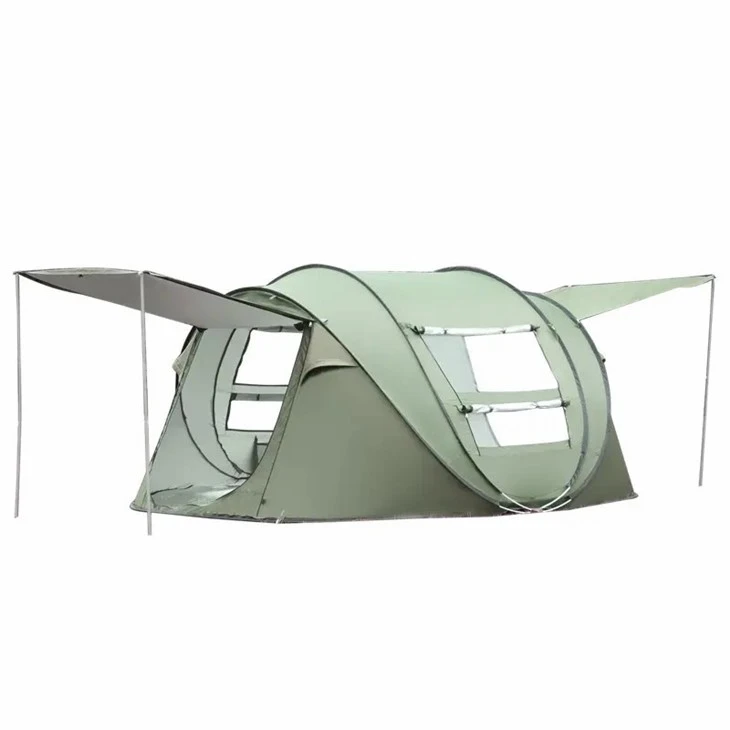
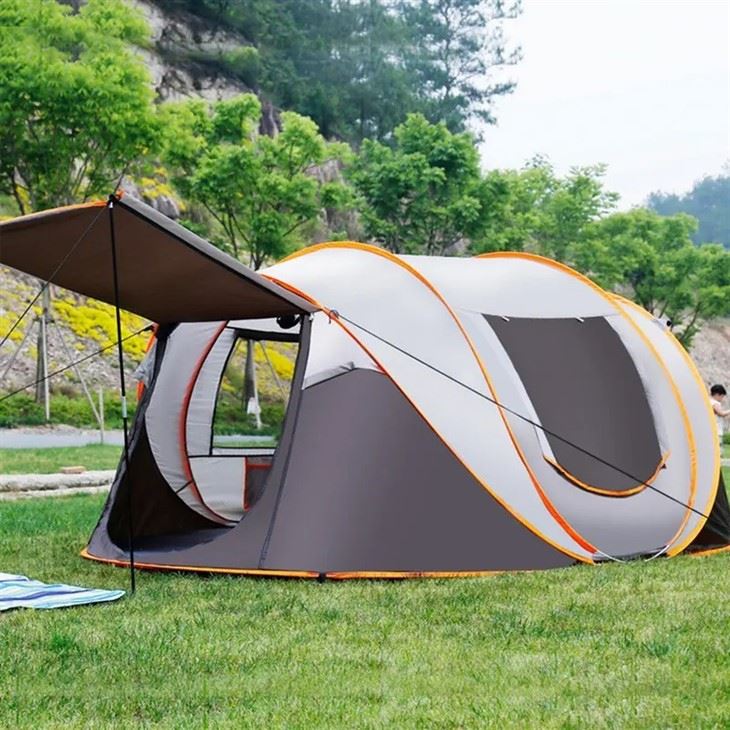
When you're tired after a long day of hiking or exploring, the last thing you want is to struggle with a complicated tent setup. Tents that are easy to set up can save you time and energy. Automatic and pop - up tents are popular choices for solo campers. Our Automatic Camping Tent is designed to spring open in seconds, and our Pop Up Camping Tent can be set up in a matter of minutes, even by a single person.
Weather Resistance
The weather can be unpredictable when you're camping. A good solo tent should be able to withstand various weather conditions, including rain, wind, and even light snow. Look for tents with a waterproof flysheet and a high hydrostatic head rating. A hydrostatic head of at least 1500mm is recommended for a basic waterproof tent, while for more extreme conditions, a rating of 3000mm or higher is better. Additionally, the tent should have strong poles and a stable design to resist wind.
Ventilation
Proper ventilation is essential to prevent condensation from building up inside the tent. Condensation can make your sleeping area damp and uncomfortable, and it can also lead to mold and mildew growth. Look for tents with mesh panels or vents that allow air to circulate. Some tents even have adjustable vents that you can open or close depending on the weather conditions.
Types of Solo Camping Tents
Dome Tents
Dome tents are one of the most popular types of tents for solo camping. They are known for their stability and ease of setup. The dome shape provides a wide interior space at the floor level, making it comfortable to move around and store your gear. Dome tents usually have multiple poles that criss - cross to form a stable structure, which can withstand moderate winds.
Pyramid Tents
Pyramid tents are another option for solo campers. They are simple in design, consisting of a single center pole and a rainfly. Pyramid tents are lightweight and easy to set up, and they offer good ventilation. However, they may not be as stable as dome tents in strong winds.
Bivy Sacks
Bivy sacks are the most minimalist option for solo camping. They are essentially a waterproof and breathable shell that you can sleep inside. Bivy sacks are extremely lightweight and compact, making them ideal for backpacking. However, they offer limited space and ventilation, and they may not be suitable for long - term camping or in bad weather conditions.
Our Recommendations
Automatic Camping Tent
This tent is a game - changer for solo campers. With its automatic setup feature, you can have your tent up in seconds. It is made of high - quality, lightweight materials, making it easy to carry. The tent also has a waterproof flysheet and good ventilation, ensuring a comfortable and dry camping experience.
Pop Up Camping Tent
The pop - up design of this tent makes it incredibly easy to set up. It is spacious enough for a single person and some gear, and it is also lightweight. The tent has a durable construction and can withstand light rain and wind.
Lightweight Camping Tent
If you're looking for a tent that is easy to carry on long hikes, our lightweight camping tent is the perfect choice. It is made of ultra - lightweight materials without compromising on durability. The tent also has excellent ventilation and weather resistance.
Why Choose Our Camping Tents
As a camping tent supplier, we are committed to providing high - quality products. Our tents are designed with the latest technology and materials to ensure the best performance. We have a team of experts who test and evaluate each tent to make sure it meets our strict quality standards.
We also offer a wide range of options to suit different needs and preferences. Whether you're a beginner camper or an experienced backpacker, we have a tent for you. Our customer service team is always ready to assist you with any questions or concerns you may have.
Contact Us for Procurement
If you're interested in purchasing our camping tents for your solo camping adventures or for resale, we'd love to hear from you. Contact us to discuss your requirements, and our sales team will be happy to provide you with more information and assist you in the procurement process.
References
- Coleman, J. (2018). The Ultimate Guide to Camping Tents. Outdoor Living Press.
- Smith, A. (2020). Lightweight Backpacking: Choosing the Right Tent. Backpacker's Journal.
- Johnson, R. (2019). Solo Camping: Tips and Tricks. Wilderness Magazine.


