

Is a 4x4 Roof Top Tent Noisy at Night?
As a supplier of 4x4 roof top tents, I've received numerous inquiries from customers about the noise levels of these tents at night. It's a valid concern, especially for those who value a peaceful and quiet sleep during their outdoor adventures. In this blog post, I'll delve into the factors that contribute to the noise levels of 4x4 roof top tents and provide some insights to help you make an informed decision.
Understanding the Sources of Noise
Before we discuss whether a 4x4 roof top tent is noisy at night, it's important to understand the potential sources of noise. These can be broadly categorized into external and internal factors.
External Factors
- Weather Conditions: Wind is one of the most significant external factors that can cause noise in a roof top tent. Strong winds can create a whistling or howling sound as they pass over the tent's surface. Rain can also be noisy, especially when it hits the tent fabric or the hard shell of the tent. Hail, on the other hand, can produce a loud and continuous rattling sound.
- Wildlife: Depending on your camping location, wildlife can also be a source of noise. Animals such as birds, squirrels, and raccoons may make noise as they move around or interact with each other. In some cases, larger animals like deer or bears may also pass by your campsite, causing noise as they walk or rustle through the vegetation.
- Other Campers: If you're camping in a crowded area, the noise from other campers can also be a nuisance. This can include talking, music, and the sound of their tents being set up or taken down.
Internal Factors
- Tent Design and Construction: The design and construction of the tent can also affect its noise levels. Tents with a loose or flapping fabric may create more noise as they move in the wind. Similarly, tents with a lot of zippers or other moving parts may make noise when they are opened or closed.
- Sleeping Equipment: The type of sleeping equipment you use inside the tent can also contribute to the noise levels. For example, a sleeping pad that is not well-insulated may make noise when you move around on it. Similarly, a sleeping bag that is too tight or too loose may create friction and noise as you move.
- Personal Habits: Finally, your own personal habits can also affect the noise levels inside the tent. For example, if you snore or talk in your sleep, this can be a source of noise for your tent mates. Similarly, if you move around a lot during the night, this can also create noise.
Assessing the Noise Levels of Different Tent Types
Now that we understand the potential sources of noise, let's take a look at how different types of 4x4 roof top tents compare in terms of noise levels.
Soft-Shell Tents
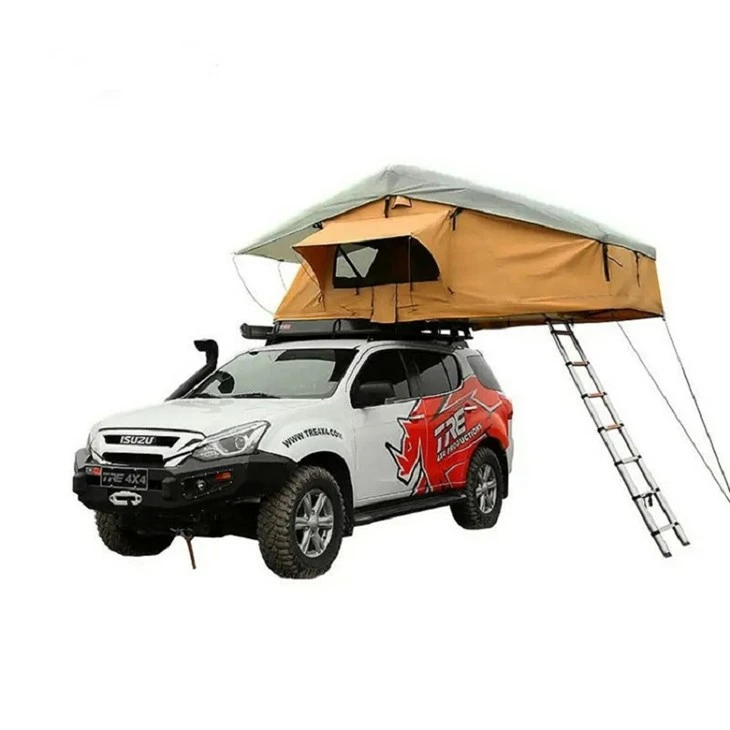
Soft-shell tents are typically made of a lightweight and breathable fabric, such as nylon or polyester. These tents are generally more affordable and easier to set up than hard-shell tents. However, they are also more prone to noise, especially in windy conditions. The fabric of the tent can flap and create a whistling or flapping sound as the wind passes over it. Additionally, soft-shell tents may not provide as much insulation as hard-shell tents, which can make them more susceptible to noise from the outside.
Hard-Shell Tents
Hard-shell tents are typically made of a rigid material, such as fiberglass or aluminum. These tents are generally more expensive and heavier than soft-shell tents. However, they are also more durable and provide better protection from the elements. Hard-shell tents are also less prone to noise, as the rigid material of the tent does not flap or move in the wind. Additionally, hard-shell tents may provide better insulation than soft-shell tents, which can help to reduce the amount of noise that enters the tent from the outside.
Hybrid Tents
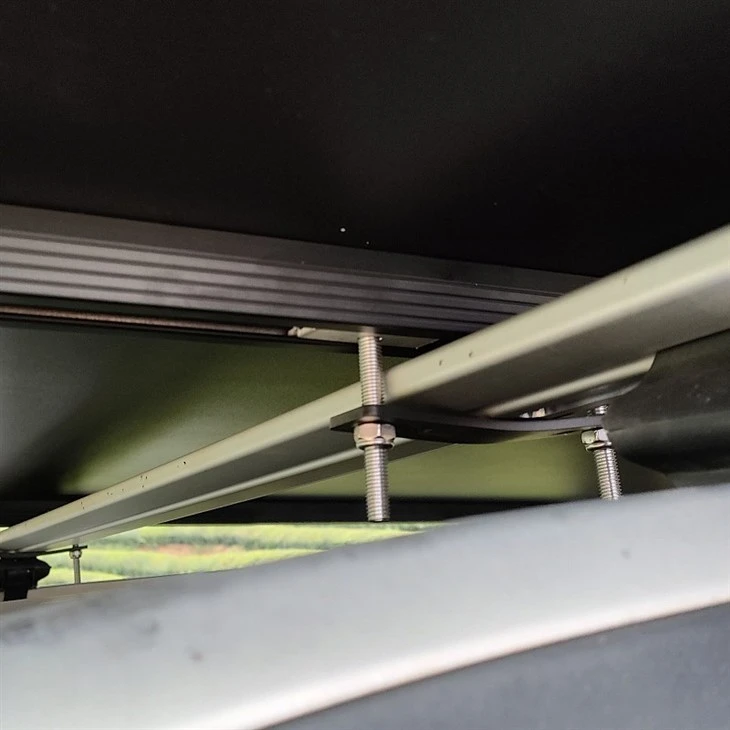
Hybrid tents combine the features of soft-shell and hard-shell tents. These tents typically have a hard-shell base and a soft-shell upper section. Hybrid tents offer the best of both worlds, providing the durability and protection of a hard-shell tent with the lightweight and breathability of a soft-shell tent. Hybrid tents are also less prone to noise than soft-shell tents, as the hard-shell base helps to reduce the amount of flapping and movement of the tent fabric.
Tips for Reducing Noise in a 4x4 Roof Top Tent
Regardless of the type of tent you choose, there are several things you can do to reduce the noise levels inside the tent at night.
Choose a Quiet Campsite
One of the most effective ways to reduce noise in a roof top tent is to choose a quiet campsite. Look for a location that is away from busy roads, trails, and other sources of noise. If possible, choose a campsite that is surrounded by natural barriers, such as trees or hills, which can help to block out noise from the outside.
Use a Noise-Canceling Device
If you're particularly sensitive to noise, you may want to consider using a noise-canceling device, such as earplugs or a white noise machine. Earplugs can help to block out external noise, while a white noise machine can create a soothing background noise that can help to mask other sounds.
Seal the Tent Properly
To reduce the amount of noise that enters the tent from the outside, make sure to seal the tent properly. Check the zippers, seams, and vents to make sure they are all closed tightly. You may also want to consider using a tent footprint or ground cloth to provide an additional layer of insulation and protection from the elements.
Choose the Right Sleeping Equipment
As mentioned earlier, the type of sleeping equipment you use inside the tent can also affect the noise levels. Choose a sleeping pad that is well-insulated and does not make noise when you move around on it. Similarly, choose a sleeping bag that is the right size and fit for you, and that does not create friction or noise as you move.
Be Mindful of Your Personal Habits
Finally, be mindful of your own personal habits and try to minimize the amount of noise you make inside the tent. Avoid moving around too much during the night, and try to keep your voice down if you need to talk. If you snore or talk in your sleep, consider using a snore guard or other device to reduce the amount of noise you make.
Conclusion
In conclusion, whether a 4x4 roof top tent is noisy at night depends on a variety of factors, including the weather conditions, wildlife, other campers, tent design and construction, sleeping equipment, and personal habits. While some noise is inevitable when camping outdoors, there are several things you can do to reduce the noise levels inside the tent and ensure a peaceful and restful sleep.
At our company, we offer a wide range of Triangle Roof Top Tent, Aluminum Roof Top Tent, and Family Size Roof Top Tent that are designed to minimize noise and provide a comfortable and quiet sleeping environment. If you're interested in learning more about our products or would like to discuss your specific needs, please don't hesitate to contact us. We'd be happy to help you find the perfect roof top tent for your next outdoor adventure.
References
- "Noise Pollution and Sleep Quality: A Review of the Literature." Sleep Medicine Reviews, vol. 14, no. 3, 2010, pp. 197-210.
- "The Effects of Wind on the Noise Levels of Tents." Journal of Outdoor Recreation and Tourism, vol. 12, 2015, pp. 32-38.
- "Reducing Noise in Tents: A Practical Guide." Outdoor Gear Lab, 2021.


