

When it comes to outdoor adventures, a rooftop tent can be a game-changer. It offers a convenient and comfortable way to sleep off the ground, away from critters and damp ground. One of the most critical factors to consider when choosing a rooftop tent is its waterproofing capabilities. As a rooftop tent supplier, I've had the opportunity to explore and understand the waterproofing features of various models. In this blog, I'll delve into how waterproof rooftop tents are and what factors contribute to their performance.
Understanding the Basics of Waterproofing
Waterproofing in rooftop tents is measured by two main factors: the waterproof rating of the fabric and the overall design of the tent. The waterproof rating is typically expressed in millimeters (mm) and indicates the amount of water pressure the fabric can withstand before water starts to seep through. For example, a tent fabric with a waterproof rating of 2000mm can hold up to 2000mm of water column without leaking.
Most high-quality rooftop tents have a waterproof rating of at least 2000mm, which is sufficient for most camping conditions. However, for more extreme weather, such as heavy rain and storms, you might want to look for a tent with a higher rating, around 3000mm or more.
Types of Rooftop Tents and Their Waterproofing
There are several types of rooftop tents available in the market, each with its own waterproofing characteristics.
Triangle Roof Top Tent
The Triangle Roof Top Tent is a popular choice among campers. Its unique triangular design not only provides a spacious interior but also helps in shedding water effectively. The fabric used in these tents is usually a high-quality, waterproof canvas or polyester with a good waterproof rating. Additionally, the seams are often taped to prevent water from seeping through the stitching. This type of tent is well-suited for moderate weather conditions and can keep you dry in light to moderate rain.
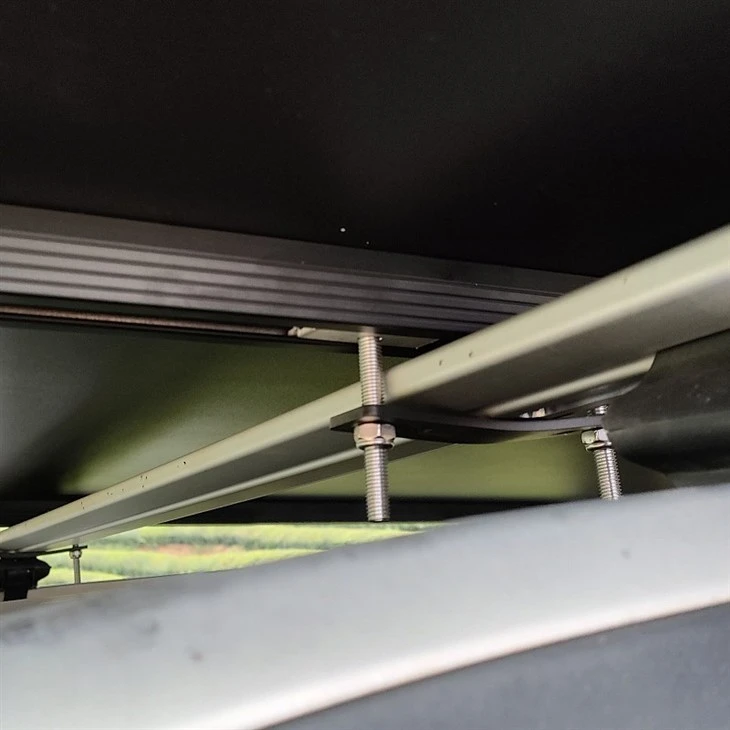

Soft Shell Roof Top Tent
The Soft Shell Roof Top Tent is known for its lightweight and easy setup. The soft shell is typically made of a durable, waterproof fabric that is treated to resist water. These tents often have a rainfly that provides an extra layer of protection. The rainfly is designed to cover the entire tent and is pitched a few inches above the tent body to allow for air circulation and prevent condensation. In terms of waterproofing, soft shell tents can perform well in most weather conditions, but they may require a bit more care to ensure proper setup to avoid water pooling.
ABS Roof Top Tent
The ABS Roof Top Tent is constructed with an ABS (Acrylonitrile Butadiene Styrene) hard shell. This type of tent offers excellent waterproofing as the hard shell is inherently water-resistant. The seals around the tent openings, such as the door and windows, are also designed to prevent water from entering. ABS rooftop tents are ideal for harsh weather conditions, including heavy rain and snow. They are also more durable and can withstand rough handling.
Factors Affecting Waterproofing
Apart from the type of tent and its fabric, several other factors can affect the waterproofing performance of a rooftop tent.
Seam Sealing
As mentioned earlier, taped seams are crucial for preventing water from seeping through the stitching. Over time, the seam tape can wear off, especially with frequent use and exposure to the elements. It's important to periodically check the seams and reapply seam sealer if necessary.
Setup and Installation
Proper setup of the rooftop tent is essential for optimal waterproofing. Make sure the tent is level and that the rainfly is properly pitched. If the rainfly is too close to the tent body, it can cause water to pool and potentially leak inside. Also, ensure that the tent is securely attached to the roof rack to prevent it from shifting in the wind, which could compromise the waterproofing.
Maintenance
Regular maintenance of the rooftop tent can significantly extend its waterproofing lifespan. Clean the tent after each use to remove dirt and debris, which can damage the fabric and reduce its waterproofing properties. Store the tent in a dry place when not in use to prevent mold and mildew growth.
Testing the Waterproofing
Before heading out on a long camping trip, it's a good idea to test the waterproofing of your rooftop tent. You can do this by setting up the tent in your backyard and using a hose to simulate rain. Check for any signs of water leakage, especially around the seams and zippers. If you notice any leaks, you can address them before your trip.
Conclusion
In conclusion, the waterproofing of a rooftop tent depends on various factors, including the type of tent, the fabric used, and proper maintenance. As a rooftop tent supplier, I can assure you that our tents are designed and tested to provide excellent waterproofing performance. Whether you choose a Triangle Roof Top Tent, Soft Shell Roof Top Tent, or ABS Roof Top Tent, you can expect a reliable and waterproof shelter for your outdoor adventures.
If you're in the market for a high-quality rooftop tent with excellent waterproofing, we'd love to hear from you. Contact us to discuss your specific needs and preferences, and we'll help you find the perfect tent for your next camping trip.
References
- Outdoor Gear Lab: Rooftop Tent Reviews
- REI Co-op: Guide to Rooftop Tents
- Campmor: Rooftop Tent Buying Guide


