

As a camping tent supplier, I've witnessed firsthand the growing demand for energy - efficient camping solutions. Campers today are not only looking for comfort and durability but also ways to reduce their energy consumption while enjoying the great outdoors. In this blog, I'll share some effective strategies to make a camping tent more energy - efficient.

1. Choose the Right Tent Design
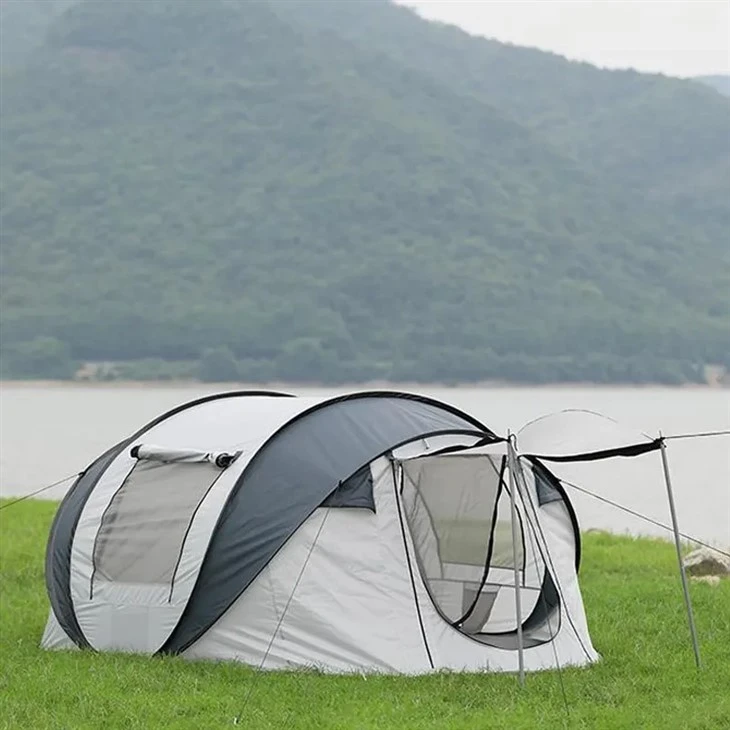
The design of a camping tent plays a crucial role in its energy efficiency. Tents with a streamlined shape can reduce wind resistance, which in turn helps to keep the interior temperature stable. A well - designed tent will also have proper ventilation systems. Look for tents with adjustable vents that can be opened or closed depending on the weather conditions.
For solo campers, our Single Size Camping Tent is an excellent choice. It is designed with a compact and aerodynamic shape, minimizing heat loss in cold weather and allowing for natural air circulation in hot weather. The tent's single - layer construction with a breathable inner layer helps to regulate temperature without the need for excessive energy use.
If you're an avid backpacker, our Backpack Camping Tent is lightweight and easy to carry. Its design focuses on maximizing space utilization while maintaining energy efficiency. The tent has multiple ventilation points and a low - profile shape that reduces heat gain during the day and heat loss at night.
2. Insulate Your Tent
Insulation is key to making a camping tent more energy - efficient. There are several ways to insulate your tent. One option is to use a tent footprint. A tent footprint is a ground cover that provides an extra layer of insulation between the tent floor and the cold ground. It also protects the tent floor from wear and tear.
Another way to insulate is to add a thermal liner to your tent. Thermal liners are made from materials that trap heat, such as fleece or polyester. They can significantly reduce heat loss in cold weather. You can also use reflective insulation on the tent walls. Reflective insulation works by reflecting radiant heat back into the tent, keeping the interior warmer.
Our Lightweight Camping Tent can be easily paired with a thermal liner. The tent's lightweight fabric doesn't sacrifice on insulation capabilities, and with the addition of a thermal liner, it can become a cozy and energy - efficient shelter in various weather conditions.
3. Optimize Lighting
Lighting is an essential part of camping, but it can also consume a significant amount of energy. To make your tent more energy - efficient, choose LED lights. LED lights are highly energy - efficient, consuming up to 80% less energy than traditional incandescent bulbs. They also have a longer lifespan, which means you won't have to replace them as often.
You can also use natural light to your advantage. During the day, open the tent windows and doors to let in sunlight. This not only brightens up the interior but also warms the tent naturally. At night, consider using solar - powered lanterns. Solar - powered lanterns charge during the day and provide light at night without the need for batteries or electricity.
4. Use Energy - Efficient Heating and Cooling Devices
If you need to heat or cool your tent, choose energy - efficient devices. For heating, consider using a propane heater with a thermostat. A thermostat allows you to set the desired temperature, so the heater only runs when necessary, saving energy.
In hot weather, a battery - powered fan can be a great addition to your tent. Look for fans with adjustable speeds, so you can use the minimum amount of energy required to keep the air circulating. Some fans also come with a timer function, allowing you to turn them off automatically after a certain period.
5. Seal Air Leaks
Air leaks can significantly reduce the energy efficiency of your tent. Check your tent regularly for any holes or gaps in the fabric, seams, or zippers. Seal any air leaks with tent repair tape or silicone sealant. Pay special attention to the areas around the windows, doors, and vents.
A well - sealed tent will keep the warm air in during the winter and the cool air in during the summer. It will also prevent insects and drafts from entering the tent, making your camping experience more comfortable.
6. Position Your Tent Strategically
The position of your tent can have a big impact on its energy efficiency. In the summer, try to position your tent in the shade. This will reduce the amount of heat that enters the tent during the day, keeping the interior cooler. In the winter, position your tent to take advantage of sunlight. Place it facing south, so it can absorb as much sunlight as possible during the day.
Also, consider the wind direction. Position your tent in a way that minimizes wind exposure. This can help to reduce heat loss and make the tent more energy - efficient.
7. Manage Your Power Sources
If you're using electronic devices in your tent, such as a phone charger or a portable fridge, manage your power sources effectively. Use a power bank to charge your devices. Power banks can be charged in advance and provide a convenient and energy - efficient way to power your electronics.
If you have a portable fridge, make sure it is well - insulated and placed in a cool spot in the tent. Avoid opening the fridge door frequently, as this will let the cold air out and increase energy consumption.
In conclusion, making a camping tent more energy - efficient is not only good for the environment but also for your camping experience. By following these tips, you can reduce your energy consumption, save money on batteries and fuel, and enjoy a more comfortable and sustainable camping trip.
If you're interested in our energy - efficient camping tents or have any questions about making your tent more energy - efficient, we'd love to hear from you. Contact us to discuss your specific needs and explore our range of camping tents. We're committed to providing high - quality, energy - efficient camping solutions for all your outdoor adventures.
References
- Outdoor Industry Association. (2023). Best Practices for Energy - Efficient Camping.
- National Renewable Energy Laboratory. (2022). Energy - Saving Tips for Outdoor Living.


